
"indie coffee"
1200 article(s) found

Coffee diet how to drink coffee to lose weight?
Located in the West Indies, the Republic of Cuba has a detached and pristine natural environment, the beautiful Caribbean Sea and the world-famous Crystal Mountain Coffee. In 1748, coffee was introduced into Cuba from Domiga, and Cuba began to grow coffee ever since. With fertile land, humid climate and abundant Rain Water, Cuba can be called a natural treasure land for coffee cultivation. The suitable natural condition is the growth of coffee trees.

Taste description of Cuban Coffee Crystal Mountain Coffee
Flavor and taste characteristics: full of particles, uniform taste, tobacco flavor the Republic of Cuba is located in the West Indies, with a detached and primitive natural environment, the beautiful Caribbean Sea and the world-famous Crystal Mountain Coffee. In 1748, coffee was introduced into Cuba from Domiga, and Cuba began to grow coffee ever since. The land in Cuba is fertile, the climate is humid, and Rain Water is abundant.
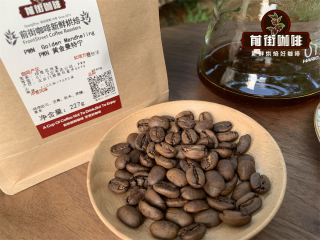
What kind of coffee can be called the jewel of Indonesian coffee? Sumatra Mandarin Coffee
Like many other Indonesian islands, Sumatra is formed by volcanic eruptions. The surface of the island is covered with a thick layer of volcanic soil, which is nutritious and extremely fertile, making it very suitable for growing coffee. A brief history of coffee in Indonesia at the beginning of the 18th century, the coffee market in Europe was monopolized by Arab growers. Dutch East India Duke

Description of grading Flavor of Ugandan Coffee Bean introduction to the production area of Grinding Calibration Variety treatment
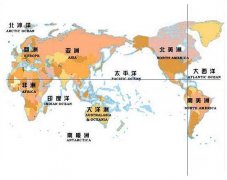
Uganda coffee bean graded flavor description grinding scale variety treatment production area Coffee beans are processed from the fruits of coffee trees, which grow between 25 degrees south and north latitudes around the equator (as shown below), that is, tropical and subtropical regions. At present, there are more than 60 coffee producing countries, which are distributed in South America, Central America, the West Indies, Asia, Africa and Albania.

Coffee beans recommend Cuban Crystal Mountain Coffee with Tobacco flavor
Located in the West Indies, the Republic of Cuba has a detached and pristine natural environment, the beautiful Caribbean Sea and the world-famous Crystal Mountain Coffee. In 1748, coffee was introduced into Cuba from Domiga, and Cuba began to grow coffee ever since. With fertile land, humid climate and abundant Rain Water, Cuba can be called a natural treasure land for coffee cultivation. The suitable natural condition is the growth of coffee trees.

There are many kinds of coffee beans. Kinds of raw beans of coffee.
At present, there are many kinds of coffee beans imported from all over the world, which makes people have no choice. Here, we will introduce the main producing areas and the characteristics of coffee beans as a reference for you to buy coffee.

Introduction to the treatment of Coffee beans-- washing treatment (Washed)
Because there was no sufficient sunshine in the West Indies, the Dutch introduced water washing, also known as WIB, around 1740, which is different from the traditional sun method, also known as OIB. Coffee beans exported from Java are often marked with WIB, which means washed beans. The treatment steps of the water washing method are as follows: 1. Select beans: put the harvested fruit in the water tank and soak for about 24 hours. At this time

Introduction to the origin and flavor characteristics of Kenyan coffee
Flavor and taste characteristics: full of particles, uniform taste, tobacco flavor the Republic of Cuba is located in the West Indies, with a detached and primitive natural environment, the beautiful Caribbean Sea and the world-famous Crystal Mountain Coffee. In 1748, coffee was introduced into Cuba from Domiga, and Cuba began to grow coffee ever since. The land in Cuba is fertile, the climate is humid, and Rain Water is abundant.

Cuban Crystal Mountain Coffee characteristics of Cuban Crystal Mountain Coffee
Located in the West Indies, the Republic of Cuba has a detached and pristine natural environment, the beautiful Caribbean Sea and the world-famous Crystal Mountain Coffee. In 1748, coffee was introduced into Cuba from Domiga, and Cuba began to grow coffee ever since. With fertile land, humid climate and abundant Rain Water, Cuba can be called a natural treasure land for coffee cultivation. The suitable natural condition is the growth of coffee trees.

Cuban Crystal Mountain Coffee characteristics of Cuban Crystal Mountain Coffee
Flavor and taste characteristics: full of particles, uniform taste, tobacco flavor the Republic of Cuba is located in the West Indies, with a detached and primitive natural environment, the beautiful Caribbean Sea and the world-famous Crystal Mountain Coffee. In 1748, coffee was introduced into Cuba from Domiga, and Cuba began to grow coffee ever since. The land in Cuba is fertile, the climate is humid, and Rain Water is abundant.

Characteristics of Dominica coffee beans in Dominica coffee producing areas
The Dominican Republic is located in the east of the island of Haiti in the West Indies, bordering the Republic of Haiti to the west, the Atlantic Ocean to the north and the Caribbean Sea to the south. With an area of about 49000 square kilometers and a population of 7.1 million, the Dominican Republic and the Republic of Haiti coexist on an island bordering Haiti. Like its neighbors, the Dominican Republic had a history of revolution and poverty, but now

The main origin of coffee introduces the selection system of coffee beans.
At present, due to the wide variety of imported coffee beans on the market all over the world, there is no choice. Here, we will introduce the main producing areas and the characteristics of coffee beans as a reference for you to buy coffee. * Brazil (South America) is the world's number one coffee producer and exporter. Because it is distributed all over the country, the quality is different, and it has its own standard (NO.2 according to the amount of dopants)

All kinds of coffee in efficacy and aroma-Why Blue Mountain, Manning and Mocha are more popular
Species of coffee beans: blue Mountain Coffee: named after mountains, it is native to Jamaica in the West Indies and is grown between 1000 and 2500 meters above sea level. Features: large particles, good quality, taste blending, sweet, sour, bitter three natural balance and full flavor, is recognized as the world's best coffee. Brazilian coffee: named after the producing country, produced in South America, also known as Shandu

Dominican Coffee Flavor Description Region Features Fine Coffee Bean Taste Introduction
Dominican Republic is located in the West Indies in the eastern part of the island of Haiti, west of the Republic of Haiti, north of the Atlantic Ocean, south of the Caribbean Sea. With an area of about 49000 square kilometers and a population of 7.1 million, the Dominican Republic coexists with the Republic of Haiti on an island adjacent to Haiti. Like its neighbors, the Dominican Republic had a history of revolution and poverty, but now it was

The Origin of Mexican Coffee beans the Historical Story of Mexican Coffee
For more information on coffee beans, please follow the coffee workshop (Wechat official account cafe_style) Mexican coffee beans are said to have been transplanted to Mexico from the West Indies by a Spaniard in the late 18th century. Mexican coffee beans with excellent performance, taste comfortable, mellow, moderately acidic, mild and meticulous, pleasant aroma. Mexico has 12 major

Seven steps of washing method for the treatment of raw beans
Because there was no sufficient sunshine in the West Indies, the Dutch introduced water washing, also known as WIB, around 1740, which is different from the traditional sun method, also known as OIB. Coffee beans exported from Java are often marked with WIB, which means washed beans. The treatment steps of the water washing method are as follows: 1. Select beans: put the harvested fruit in the water tank and soak for about 24 hours. At this time

Cuban crystal coffee with full grains and uniform taste introduces fine coffee.
Flavor and taste characteristics: full of particles, uniform taste, tobacco flavor the Republic of Cuba is located in the West Indies, with a detached and primitive natural environment, the beautiful Caribbean Sea and the world-famous Crystal Mountain Coffee. In 1748, coffee was introduced into Cuba from Domiga, and Cuba began to grow coffee ever since. The land in Cuba is fertile, the climate is humid, and Rain Water is abundant.
Cuban coffee beans explain the flavor of Crystal Mountain Coffee in detail
Cuba: Crystal Mountain Coffee flavor and taste characteristics: full of particles, uniform taste, the Republic of Cuba is located in the West Indies, has a detached and primitive natural environment, the beautiful Caribbean Sea and the world-famous Crystal Mountain Coffee. In 1748, coffee was introduced into Cuba from Domiga, and Cuba began to grow coffee ever since. The land in Cuba is fertile and the climate is humid.

Cuban Crystal Mountain Coffee with uniform taste, fine taste coffee beans.
Flavor and taste characteristics: full of particles, uniform taste, tobacco flavor the Republic of Cuba is located in the West Indies, with a detached and primitive natural environment, the beautiful Caribbean Sea and the world-famous Crystal Mountain Coffee. In 1748, coffee was introduced into Cuba from Domiga, and Cuba began to grow coffee ever since. The land in Cuba is fertile, the climate is humid, and Rain Water is abundant.
Common coffee varieties in cafes
Blue Mountain is more popular than the general public. It is produced in Central America, Jamaica and the West Indies. It has the characteristics of mellow, slightly sweet in bitterness, soft and smooth, and slightly sour, which can make the taste more sensitive and taste its unique taste. It is the best of single coffee. Mantenin is rich in Sumatra, Indonesia, where special geology and climate are cultivated.